In August 2023, the second international SAFEHIKE training took place in Târgu Jiu, Romania, bringing together participants from Austria, Slovakia, and Romania for a learning experience focused on first aid in mountain environments. The training was part of the Erasmus+ Sport project SAFEHIKE – Stay Safe Keep Hiking, which supports non-formal education and safety awareness for mountain guides, active hikers, and outdoor enthusiasts.
The Romanian training built on the first SAFEHIKE activity in Austria and focused on how to respond safely and effectively when accidents or emergency situations happen in the mountains. Through a mix of expert input, practical demonstrations, and outdoor activities, participants developed skills that can help make hiking and mountain sports safer for everyone.
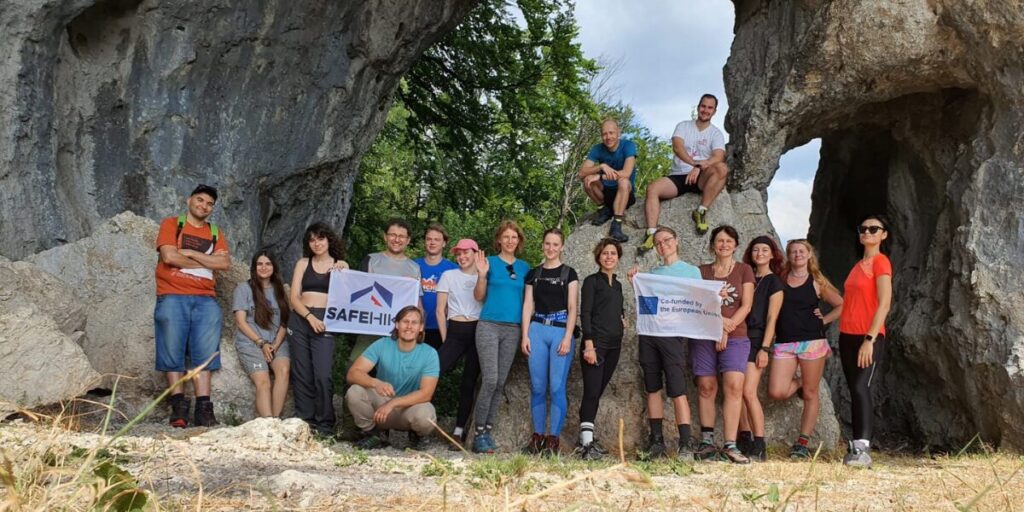
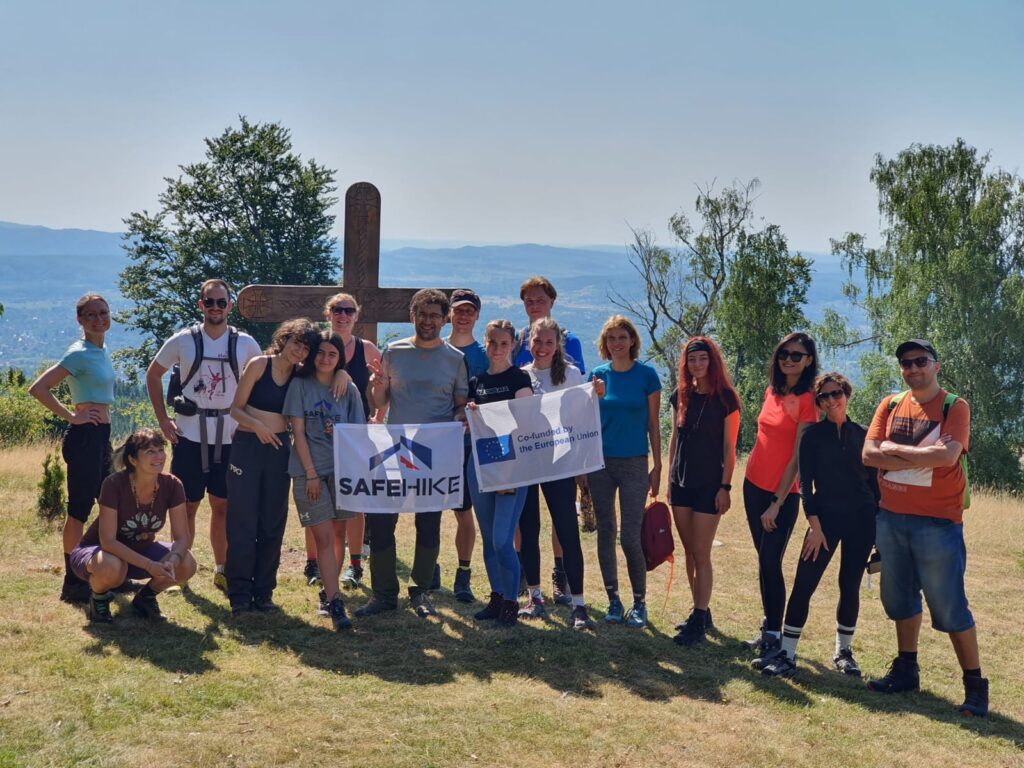
The training was held from 11 to 14 August 2023 in Târgu Jiu, Romania. Hosted by Scout Society, the activity took place partly in the city and partly in nearby mountain areas, giving participants the chance to connect indoor learning with real outdoor experience. The training brought together 23 participants from Austria, Slovakia and Romania. The group included active hikers, members of hiking clubs, and amateur mountain enthusiasts with different backgrounds and levels of experience.
What was the training about
The main theme of the Romanian training was first aid in the mountains. The overall goal was to strengthen safety awareness, emergency preparedness, and risk management skills for people active in mountain environments. Participants explored how to protect themselves, how to support others in need, and how to respond more confidently in difficult situations outdoors.
The programme also aimed to improve teamwork and cooperation in emergency situations. A strong emphasis was placed on practical learning, shared responsibility, and exchanging experience across countries and organisations. In this way, the training contributed not only to individual learning, but also to the wider SAFEHIKE goal of building a network of better-prepared hikers and mountain activity leaders.
Programme highlights
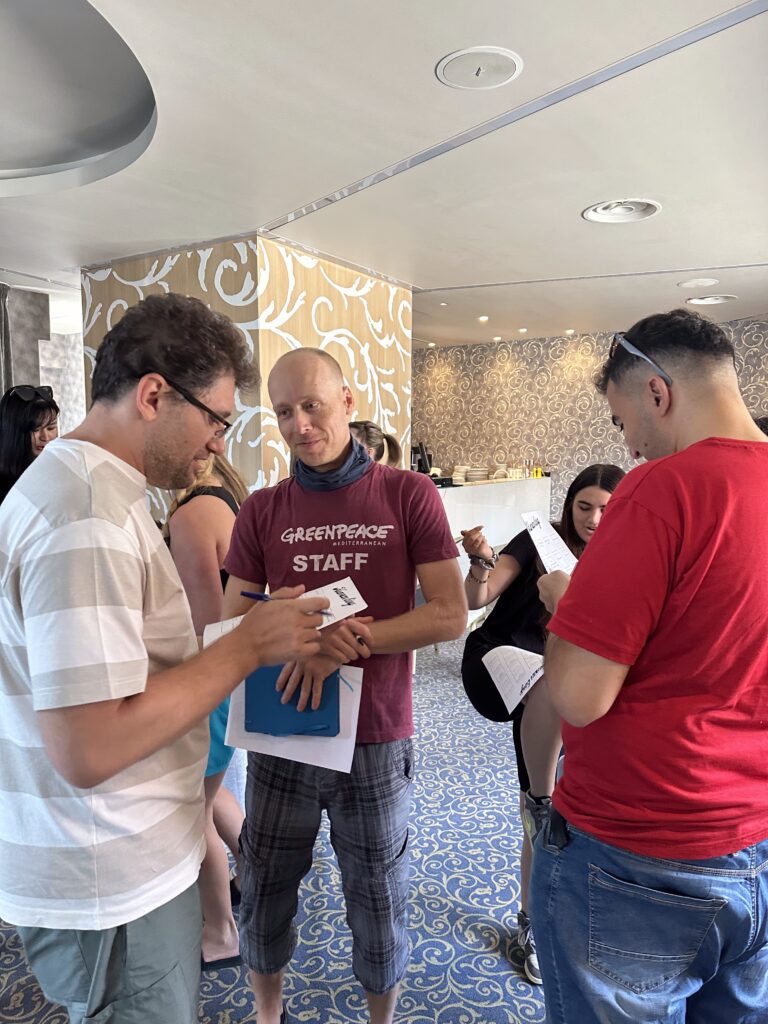
The first day began with icebreakers and group activities that helped participants get to know each other and build a positive group atmosphere. These first sessions created a strong foundation for collaboration and communication throughout the rest of the training.
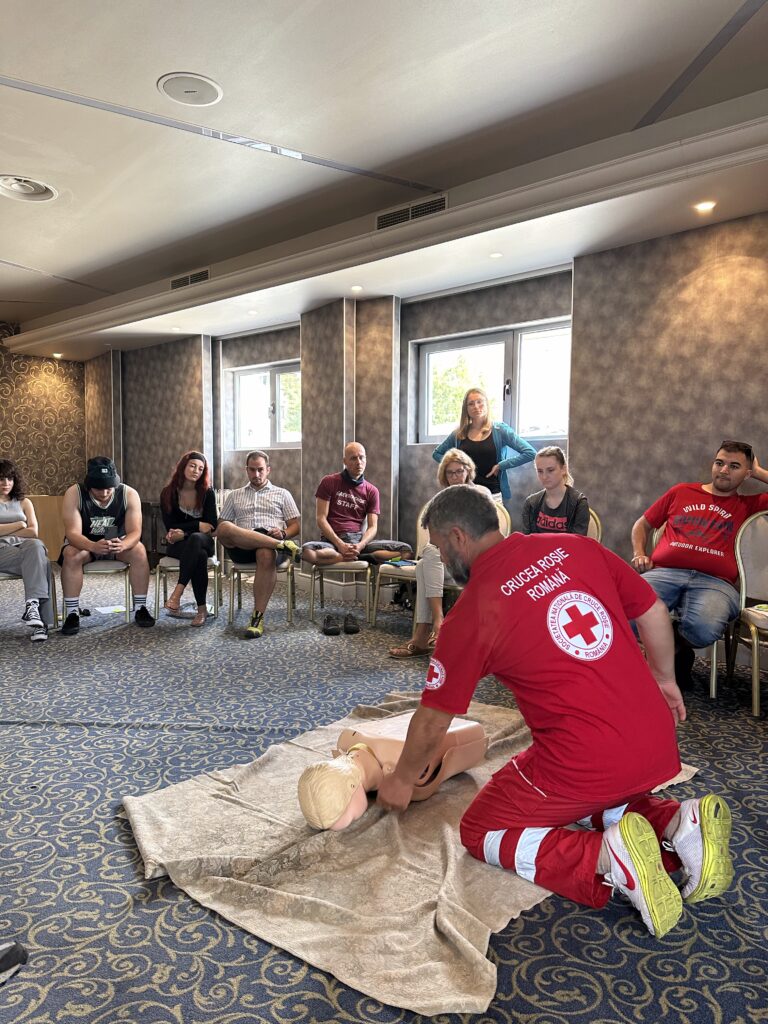
One of the central parts of the programme was a first aid workshop led by the director of Red Cross Gorj County, Grigore Richter. This session combined theory and practice and introduced participants to key first aid steps such as assessing the situation, checking responsiveness and breathing, calling for help, chest compressions, bleeding control, the use of an AED, and providing support until professional help arrives. The workshop also covered mountain-specific risks such as vipers and ticks, which are especially relevant during the summer season.
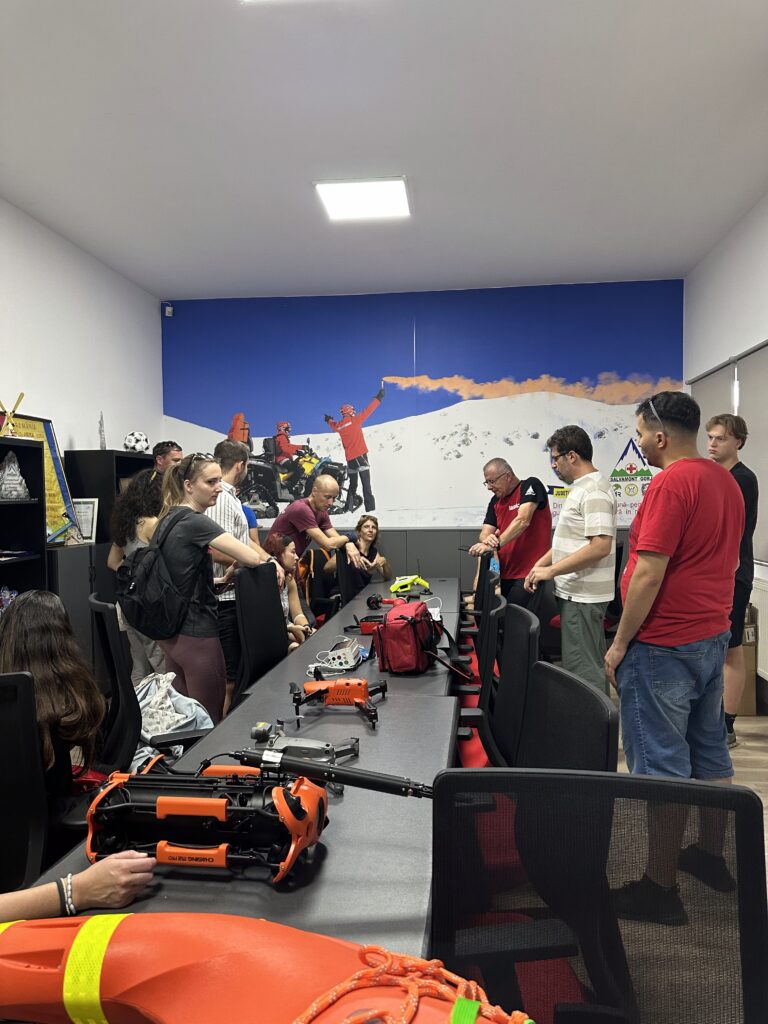
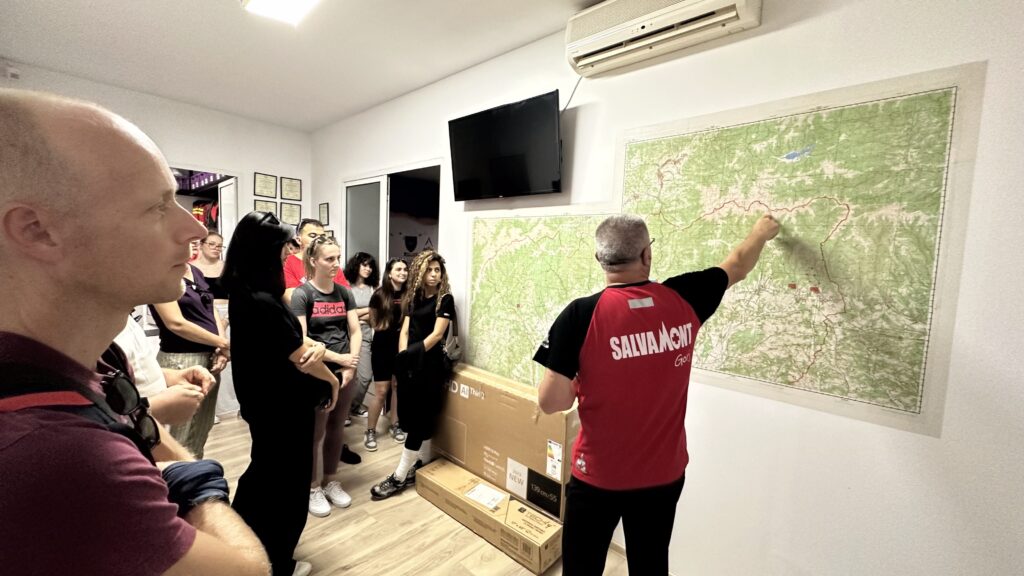
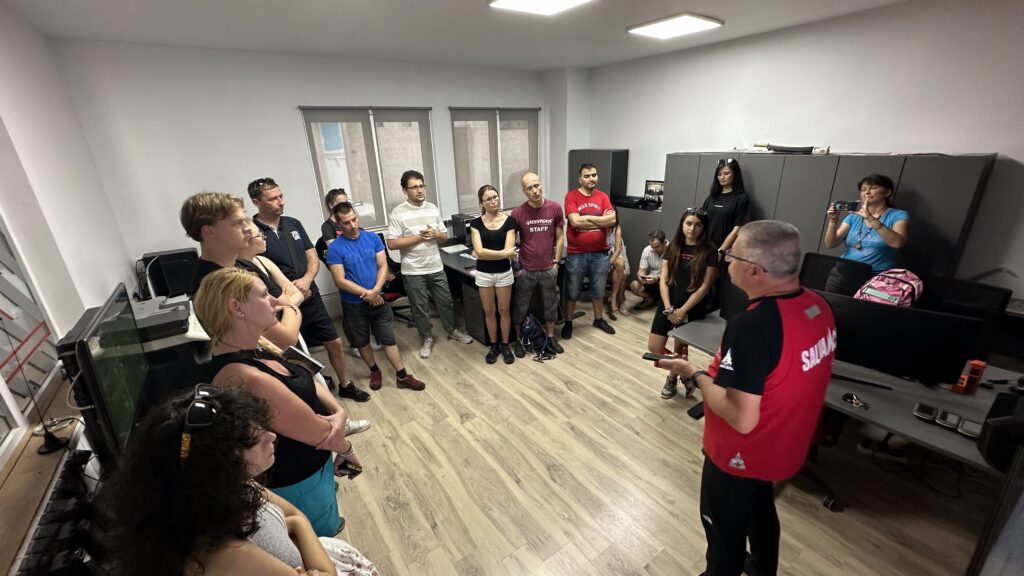
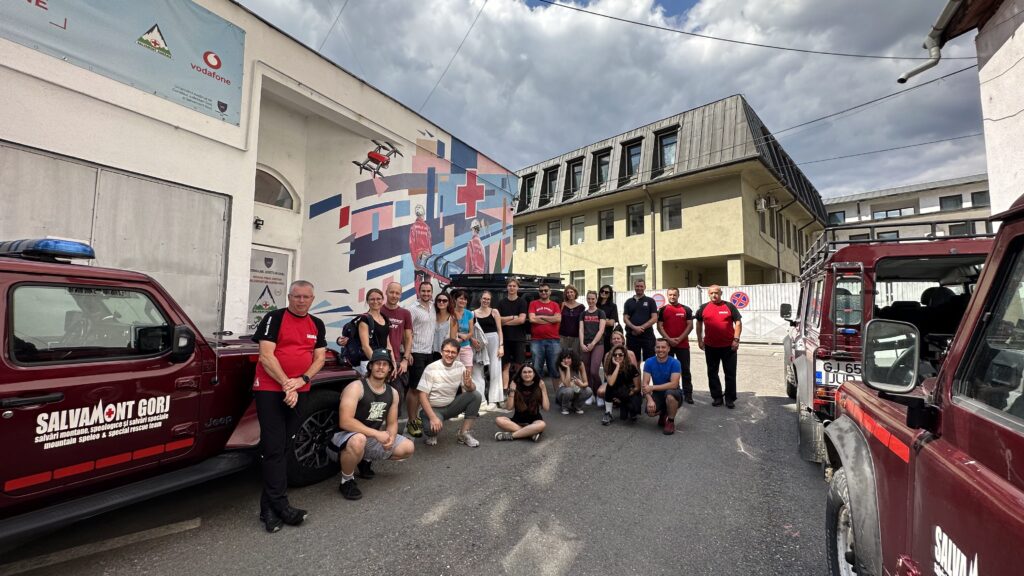
Another important session was delivered by Sabin Cornoiu, director of Mountain Rescue Gorj and also director of Mountain Rescue in Romania. Participants visited the headquarters of the rescue service in Târgu Jiu, where they learned about mountain rescue work in practice, saw specialised rescue equipment, and gained insight into how emergency interventions are organised in different mountain situations. This gave the training a valuable real-life perspective and helped participants better understand both prevention and response.
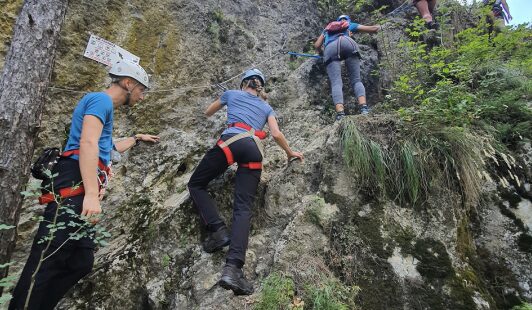
The second day of the training focused on practical outdoor experience. The group travelled to Baia de Fier, about an hour from Târgu Jiu, where participants took part in a hike and several via ferrata routes with different levels of difficulty. Safety, instructions, and technical support were provided by Mountain Club White Wolf, a local partner specialised in mountain activities.
The Romanian training helped participants improve their knowledge of mountain first aid, emergency response, prevention, teamwork, and safe behaviour in outdoor settings. Feedback included strong appreciation for the practical demonstrations, hands-on learning, and visits to real emergency-response actors such as the Red Cross and Mountain Rescue teams. Many participants said they felt more prepared to apply what they had learned during future hikes and mountain activities.