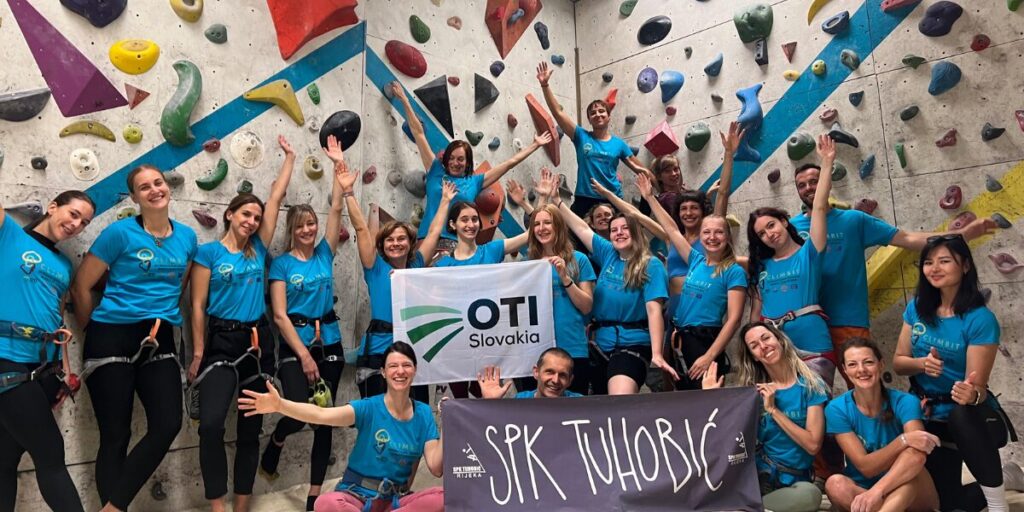
The final CLIMBIT meeting in Rijeka, Croatia brought together women from Austria, Slovakia, and Croatia for a weekend that combined learning, practice, exchange, and public outreach. After the earlier trainings in Austria and Slovakia, this final activity created space to repeat key climbing skills, welcome new participants, and give many women their very first experience of both bouldering and outdoor rock climbing. It also added something new: an Open Day that invited the wider public to discover climbing and hear inspiring stories about women in the sport.
Held in September 2024 in Rijeka, the meeting was designed as both a training and a celebration of everything the project had built so far. The group included 24 women climbers, eight from each partner country, supported by Croatian trainers and instructors. While a few participants had some climbing background, most were beginners, which made the final weekend especially meaningful: it showed that with the right support, even a first climbing experience can become an empowering one.
The training took place across two main venues: the SPK Tuhobić climbing hall in Rijeka, where the indoor and theoretical sessions were held, and the Vela Peša climbing area, where participants could try climbing on natural rock.
More than a training: opening climbing to the public
One of the most distinctive parts of the Croatian meeting was the Open Day. On Saturday morning, local citizens were invited to visit the climbing hall, explore the space, and learn more about climbing. Parents and children came to see the hall, ask questions, and discover what climbing opportunities existed in Rijeka. The event had been promoted through local media, which helped bring in people who had never tried climbing before.
At the same time, a public Conversation about Climbing was held in Rijeka’s city library. This discussion focused in particular on women in climbing and included contributions from experienced climbers and speakers from the Croatian climbing community. The conversation touched on topics such as women’s experiences in sport, leadership, confidence, and the psychological side of climbing. According to the report, this discussion was one of the most unexpectedly successful parts of the weekend and strengthened participants’ motivation to continue climbing.
Day one: from theory to bouldering
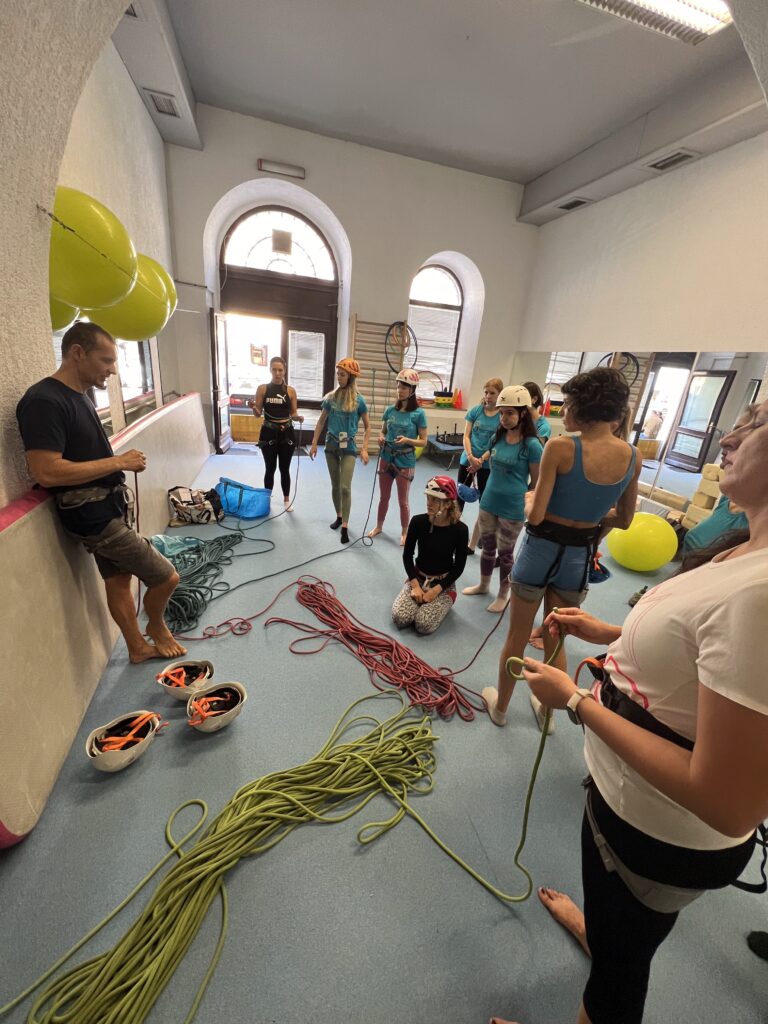
After the public activities, the group moved into the more training-focused part of the programme. Instructors introduced the basics of climbing and bouldering, with a strong emphasis on safety, falling techniques, and body awareness. Since bouldering is done without ropes, learning how to move and fall safely on thick mats was an important part of the preparation.
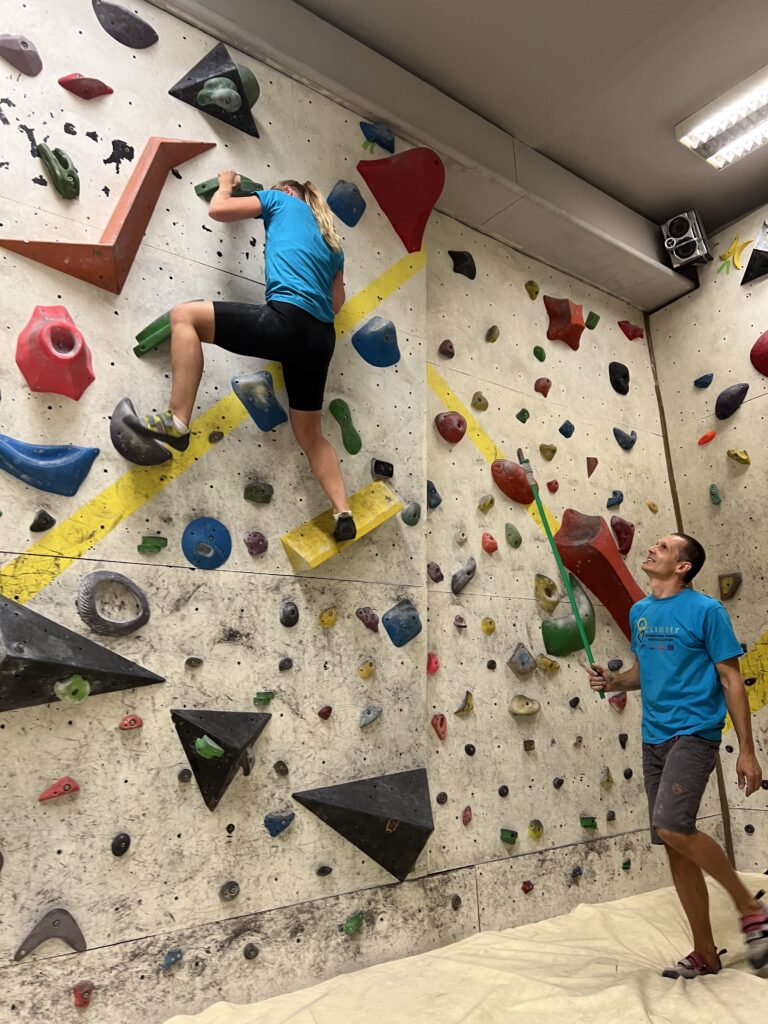
The afternoon was dedicated to bouldering in the climbing hall, where participants climbed under close supervision from instructors. For beginners especially, this session was an accessible way to experience the essential elements of climbing: movement, balance, planning a route, and trusting one’s body. Participants appreciated that the climbing hall allowed them to practise many elements in a relatively short time and in a supportive environment.
Day two: climbing on real rock
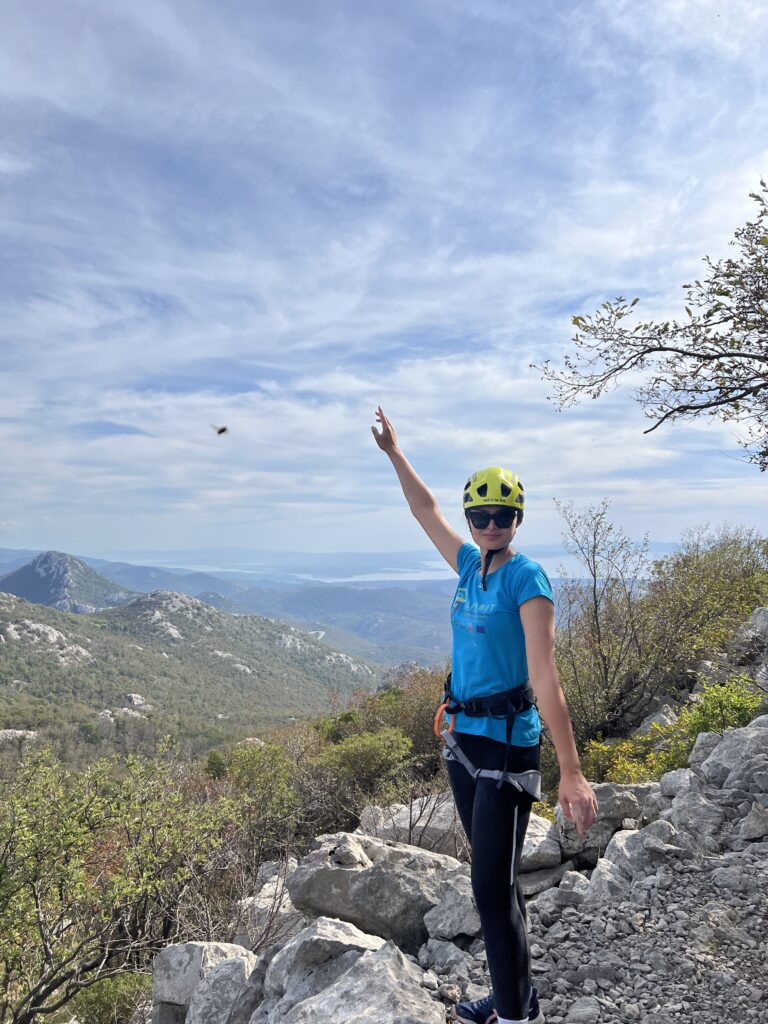
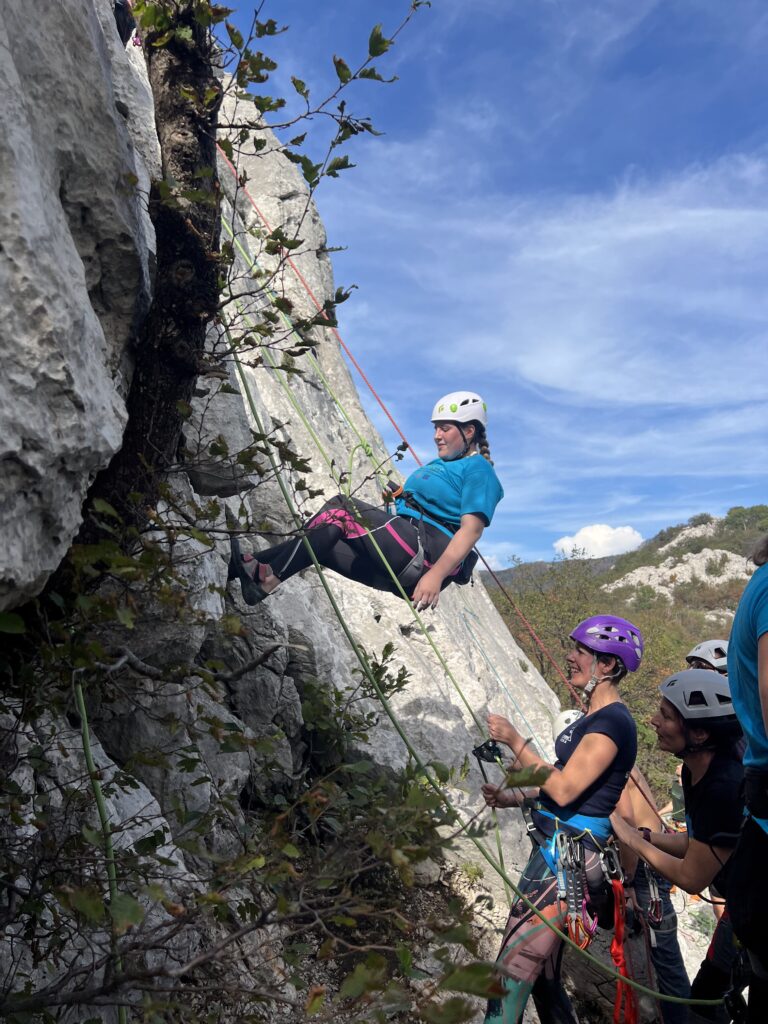
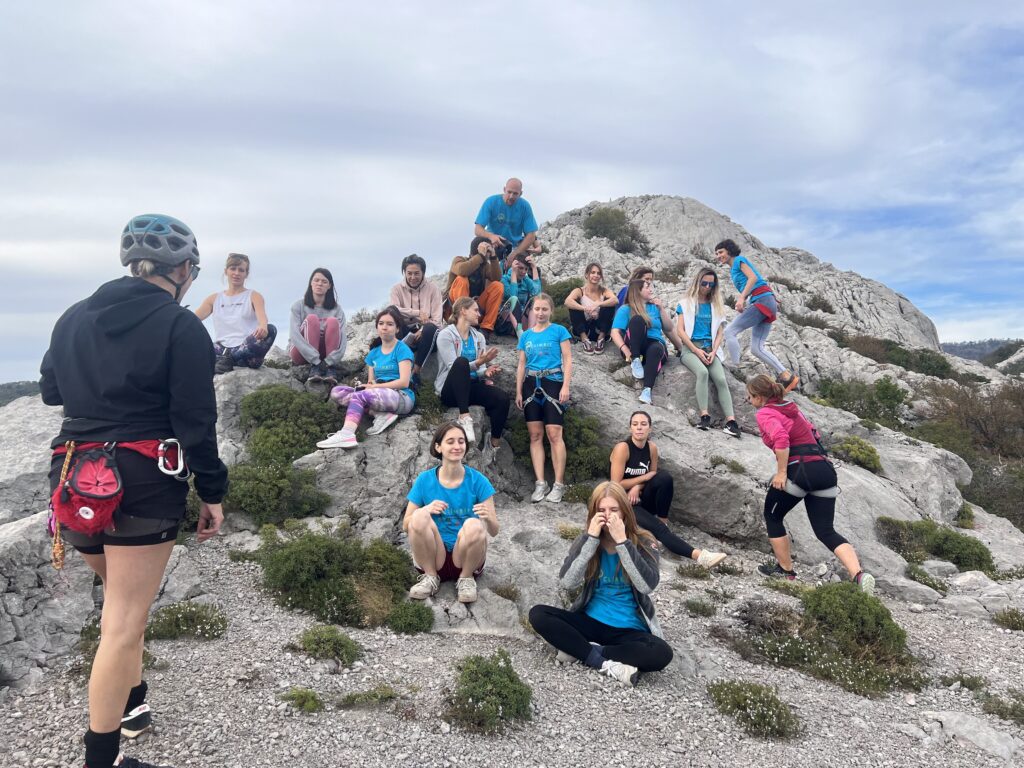
Sunday was the day many participants were most excited about. After a morning theoretical session in the hall, the group travelled to the Vela Peša climbing area near Rijeka for outdoor climbing on natural rock. The instructors first went through key safety elements again, including belaying, rope handling, attaching the rope correctly, and abseiling. For some participants, even putting on a harness and preparing for rock climbing outdoors was a completely new experience.
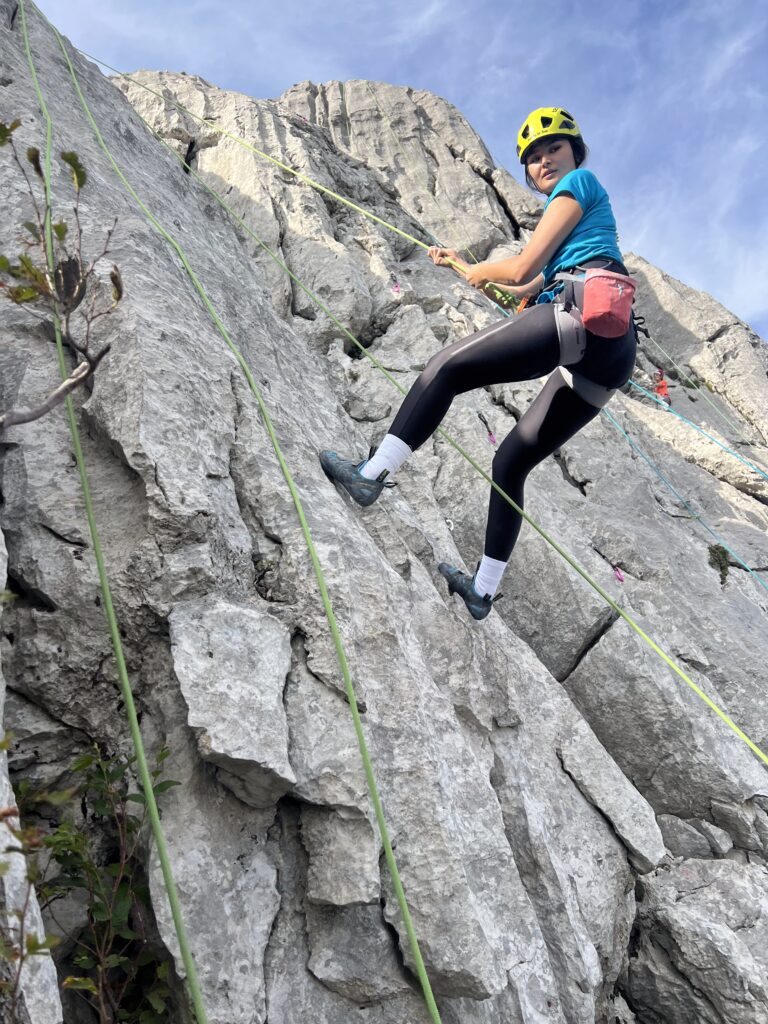
Once at the climbing site, participants climbed routes selected according to their level and gradually built confidence with each new attempt. The area was described as especially suitable for beginners, with a range of easier routes that helped participants progress step by step. With six trainers and instructors present, the group received a lot of guidance and individual support throughout the day.
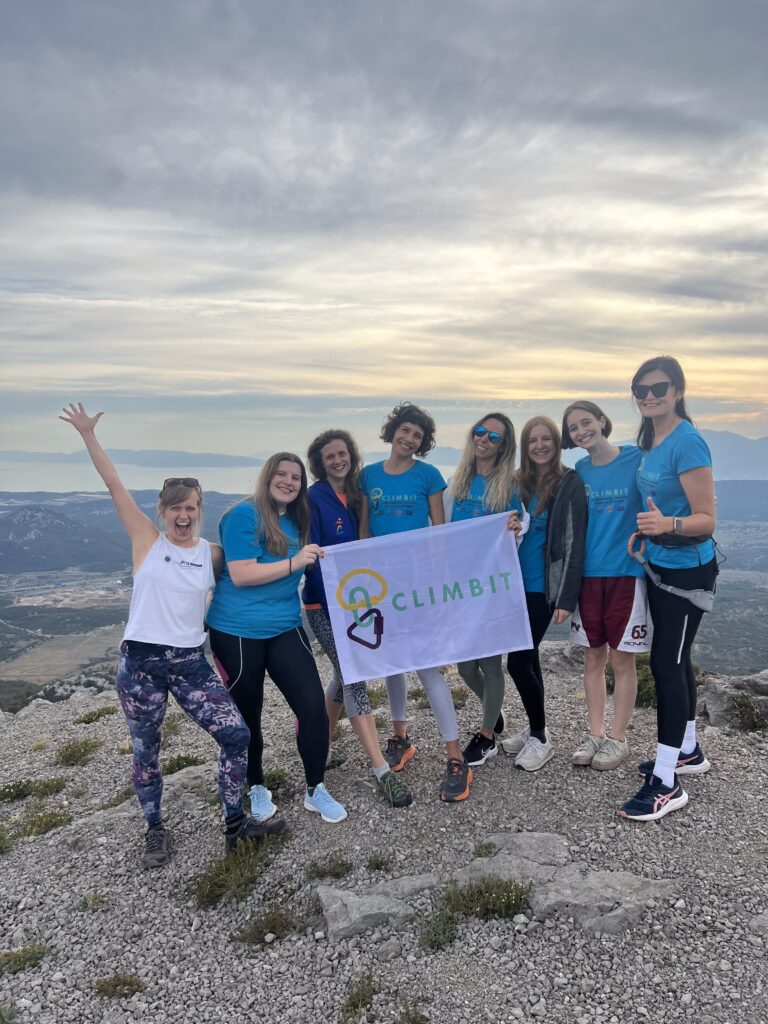
The Croatian meeting was the final international activity of the CLIMBIT project, and it brought together many of the project’s main ideas: women’s participation in sport, learning through experience, international exchange, and making climbing more accessible. It showed that climbing can be challenging and technical, but also welcoming, motivating, and deeply rewarding when introduced in the right way.